What Makes a Community Inclusive for People with Disabilities?
Lessons from Bendigo, Mildura, Maryborough and Ballarat
Inclusion communities are built in everyday moments — how easy it is to get around, how people are treated, and whether there are real opportunities to take part.
At Lifely, we love being part of the Bendigo, Mildura, Maryborough and Ballarat communities. We might be a bit biased, but we think these places are doing some really great things when it comes to inclusion.
Across regional communities, we see inclusion working best when it’s practical, visible and shaped by local people.
Here are eight things that make a real difference — with local case studies that bring each one to life.
1. Accessible public spaces
People need to be able to move through their community safely and independently.
What this looks like:
- Step-free access
- Accessible toilets
- Smooth paths and clear signage
Local case study:
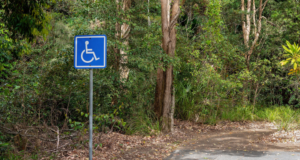
Lake Weeroona shows how thoughtful design can make public spaces genuinely inclusive. The area features wide, sealed walking paths that are easy to navigate for wheelchair users, people using mobility aids and families with prams. Accessible toilets are located nearby, making longer visits more practical.
The inclusive playground stands out. It includes a communication board to support children with communication differences, sensory water play for interactive learning, and a play tower designed so children who use wheelchairs can access it. These features don’t just improve access — they create shared experiences where children of all abilities can play together, building confidence, independence and social connection.
2. Inclusive community facilities
Community hubs play a big role in everyday inclusion.
What this looks like:
- Accessible entrances and amenities
- Flexible, multi-use spaces
- Programs designed for mixed abilities
Local case study:
Ballarat Aquatic and Lifestyle Centre demonstrates how large community facilities can be designed with inclusion in mind from the start. The centre includes accessible parking, step-free entry and wide internal spaces that support easy movement throughout the building.
Inside, all-abilities change rooms, accessible toilets and pool hoists make it possible for people with a range of physical support needs to use the pools safely and comfortably. Aquatic wheelchairs are available to support access into the water, while sensory-friendly spaces and quieter times help people who may feel overwhelmed in busy environments.
These features mean people can participate in fitness, recreation and social activities alongside others — not separately.
Other great examples include Bendigo’s Gurri Wanyarra Wellbeing Centre and Mildura Waves Aquatic and Leisure Centre, which show how regional facilities are leading the way and punching above their weight when it comes to accessible, inclusive community spaces.
3. Opportunities for social connection
Inclusion means more than access — it means belonging.
What this looks like:
- Social groups and activities
- Safe, welcoming environments
- Spaces to meet new people
Local case study:
In Maryborough, spaces like The Nest show how important it is to create welcoming, inclusive environments for connection — especially for families.
The Nest is a safe, central space where parents and carers can drop in, meet others and access support in a relaxed, no-pressure setting. It’s designed to be inclusive for all families, including those raising children with disability or those who may be going through assessment or diagnosis and looking for guidance.
Open Monday to Friday with a full-time facilitator, The Nest offers simple but meaningful supports — comfy spaces to sit and chat, baby change facilities, kitchen access and structured programs like parenting groups and supported play activities. It also connects families with local services, from maternal and child health to family support and visiting specialists.
By bringing people together in an informal, supportive environment, The Nest helps reduce isolation, build confidence and create a strong sense of community — which is at the heart of true inclusion.
4. Inclusive community events and festivals
Events are a big part of community life — and everyone should be able to enjoy them.
What this looks like:
- Quiet or sensory spaces
- Accessible layouts
- Clear information before the event
- Facilities that support a wide range of needs
Local case study:
The Bendigo Easter Festival shows how large events can become more inclusive through thoughtful, practical planning.
Across the festival precinct, accessible toilets are available in multiple locations including Rosalind Park, Queen Elizabeth Oval and Lyttleton Terrace. Higher-support facilities like Changing Places are also provided, including at the Hargreaves Street car park and McCrae Street (Marveloo). These spaces include features like ceiling hoists, adult change tables and enough room for carers — making it possible for people with complex needs to stay longer and enjoy the event.
Along the parade route, clearly signed viewing areas are set aside for people using wheelchairs and mobility scooters, helping ensure safe and comfortable access to key moments. Accessible parking is also available close to the precinct during festival days.
Importantly, inclusion goes beyond physical access. The Lifely Chill Out Zone in Rosalind Park offers a sensory-friendly space where people can take a break from noise and crowds. With calm activities and a relaxed environment, it gives families and individuals a chance to recharge before heading back into the festival.
Free wheelchair and scooter recharge points across the CBD also support people to stay out longer and participate fully.
Together, these features show how inclusive planning can turn a busy, high-energy event into something more accessible, welcoming and enjoyable for everyone.
5. Transport and getting around
Access doesn’t matter if people can’t get there.
What this looks like:
- Accessible parking
- Drop-off zones
- Transport options that consider mobility needs
Local case study:
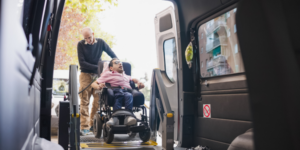
Mildura Airport highlights how transport hubs can support inclusion from the moment someone arrives. The airport provides designated accessible parking in both short- and long-term areas, with smooth, step-free pathways leading into the terminal.
Inside, accessible toilets are available in key areas, and check-in counters include hearing loops to support people who are deaf or hard of hearing. Clear signage and accessible layouts help create a smooth journey from arrival through to boarding.
Dedicated staff are available to assist, and passengers can arrange support such as wheelchair services through their airline. Assistance animals are also welcomed. Together, these features help people travel with greater confidence, independence and dignity.
6. Inclusive community recreation and activities
Everyone deserves the chance to take part in sport, arts and recreation.
What this looks like:
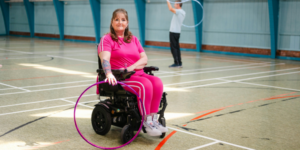
- All-abilities programs
- Adapted equipment or rules
- Supportive environments
Local case study:
Ballarat has long been a proud sporting community, and that pride is reflected in a strong commitment to making sport more inclusive and accessible for everyone.
Across the city, there are a growing number of opportunities for people with disability to get involved in ways that suit their interests and abilities. Programs like Ballarat Gymsports offer specialised options such as “Fuzzy Gym” for people with low vision, along with tailored gymnastics and Gym Ninja sessions. Special Olympics Ballarat provides inclusive basketball and swimming programs, while the Ballarat Bulldogs Football Netball Club supports people with intellectual disability to take part in football and netball.
Regular inclusive sports days also bring the community together, with activities like wheelchair rugby, dancing and pickleball creating fun, low-pressure ways to try new things.
Facilities like the Ballarat Aquatic and Lifestyle Centre support this participation with accessible change rooms, including Changing Places with hoists and pool access. Together, these options show how Ballarat is building on its strong sporting culture to create more inclusive opportunities for everyone.
7. Attitudes and everyday interactions
Inclusion is shaped by how people treat each other.
What this looks like:
- Respectful communication
- Patience and understanding
- A willingness to help
Local case study:
In communities like Maryborough, inclusion is often driven by everyday interactions. Smaller regional towns can foster strong community connections, where people are more likely to know each other and offer support.
Simple actions — like taking extra time to communicate, offering assistance respectfully, or creating a welcoming environment in local businesses — can have a big impact.
These moments might seem small, but they shape whether someone feels comfortable going out, trying new things or being part of the community. Inclusion often starts with people, not just infrastructure.
8. Listening to lived experience
The best solutions come from people who use them.
What this looks like:
- Co-design with people with disability
- Acting on feedback
- Ongoing improvement
Local case study:
Across Bendigo, Mildura, Maryborough and Ballarat, there is a growing focus on listening to people with lived experience when designing spaces and services. Councils, organisations and community groups are increasingly involving people with disabilities in consultation and planning.
This approach leads to more practical, usable outcomes — whether that’s better-designed public spaces, more relevant programs or improved accessibility features.
It also builds trust. When people see their input leading to real change, they are more likely to stay engaged and continue shaping their communities.
Supporting more inclusive communities
At Lifely, we’re passionate about helping build more inclusive communities across regional Victoria.
We do this through our disability and carer support services, including:
- One-on-one support
- Community participation
- Day programs
- Social groups
- Carer and family support
- All-abilities sport
But our role goes beyond direct services. We work closely with local councils, community groups, businesses and event organisers to improve inclusion at a community level.
This includes supporting and partnering on initiatives like:
- Ballarat Begonia Festival
- Bendigo Easter Festival
- Partnerships with Be.Bendigo
- International Day of People with Disabilities celebrations across Bendigo, Ballarat and Mildura
By working together, we can create environments where people with disabilities and their families feel welcomed, supported and included — not just in services, but in every part of community life.
Final thoughts
An inclusive community isn’t just about big investments — it’s about thoughtful, practical choices made every day.
From accessible parks and welcoming venues to inclusive events and strong community connections, these regional cities show that inclusion is something we can all contribute to.
Because when communities are designed for everyone, everyone benefits.