
Confused by Doctors and the NDIS? This Guide Explains It All
Navigating the health system alongside the National Disability Insurance Scheme (NDIS) can feel overwhelming, especially when you are faced with lots of unfamiliar titles, appointments and paperwork.
Many people are unsure which doctors they need to see, what each doctor actually does, and why certain reports are often requested during the NDIS process. It is also not always clear how medical appointments connect to things like funding, support and everyday life needs.
Different doctors play different roles in the NDIS process. Some doctors focus on diagnosing conditions, others specialise in long-term treatment, and some help explain how a disability or health condition affects everyday life, including daily activities, work, learning, communication and independence. For NDIS participants, carers and families, understanding the role of doctors and the NDIS is important, as medical reports help show whether a condition is permanent, how it impacts daily life and what supports may be needed over time.
In this blog, we take a plain-English look at doctors and the NDIS, including the different types of doctors you may see, what they specialise in, and how they support NDIS participants by providing medical evidence. We also explain the types of reports doctors commonly write and how these reports help the NDIS understand real-life impacts, goals and support needs beyond a diagnosis.

Doctors and hospital staff from multiple disciplines review patient records to support coordinated NDIS care.
How the NDIS and the Health System Work Together
The NDIS and the health system work alongside each other, but they pay for different things.
The health system covers medical care, such as seeing a doctor, going to hospital, having surgery and managing illness. The NDIS does not pay for doctor’s appointments, including visits to GPs or specialists, as these are usually covered by Medicare, private health insurance or paid by the person.
Even though doctors sit within the health system, they still play an important role in doctors and the NDIS. Doctors help explain a person’s disability or health condition, whether it is long term, and how it affects everyday life. Their reports can describe diagnoses, treatments, therapy needs and the use of equipment or assistive technology.
This information helps the NDIS understand what supports a person may need day-to-day, even though the NDIS does not usually pay doctors to write reports for NDIS evidence.
Different Doctors, Different Roles
Doctors specialise in different parts of the body and different types of conditions, which is why there are so many titles and roles. This can be confusing when navigating doctors and the NDIS, especially when you are trying to work out who you need to see and why. Some doctors focus on diagnosing conditions, others manage long-term health needs, and some help explain how a condition affects everyday life.
Below is a simple guide to the main types of doctors, what they do, and how doctors and the NDIS connect through assessments, eligibility decisions and plan reviews. It explains how medical evidence can show disability, whether a condition is long-term, and how it impacts daily life, helping you understand who does what and how their role may support your NDIS journey.
Addiction medicine physician
An addiction medicine physician helps people who are dependent on alcohol, drugs or certain medications. They support withdrawal, recovery and long-term management of addiction. Common conditions include alcohol dependence, substance use disorder and dual diagnosis where addiction occurs alongside mental illness.
For NDIS participants, they may provide medical reports explaining how addiction affects safety, decision-making and daily functioning, particularly when it contributes to psychosocial disability.
Anaesthetist
An anaesthetist manages pain relief and sedation during surgery and medical procedures and monitors vital functions to keep patients safe.
They do not usually treat disability directly. Anaesthetists rarely provide NDIS evidence, but their records may support medical history or surgical complexity.

Anaesthetist managing sedation and monitoring vital signs during a procedure, contributing to medical records that may support NDIS evidence.
Cardiologist
A cardiologist treats conditions of the heart and blood vessels and helps manage long-term heart health. Common conditions include congenital heart disease, heart failure and arrhythmias.
For NDIS participants, cardiologists may provide evidence where heart conditions cause ongoing fatigue, reduced stamina or functional limitations that affect daily life.
Cardiothoracic surgeon
A cardiothoracic surgeon performs surgery on the heart, lungs and chest. Conditions include heart defects and serious lung disease requiring surgery.
Their surgical reports can support NDIS evidence where surgery results in permanent or significant impairment.
Dermatologist
A dermatologist treats conditions affecting the skin, hair and nails. Common conditions include severe eczema, psoriasis, genetic skin conditions and chronic infections.
They may support NDIS evidence when skin conditions cause chronic pain, infection risk or significant functional impact.
Emergency physician
An emergency physician treats people with sudden illness or injury in hospital emergency departments. They manage acute medical crises rather than long-term conditions.
Emergency doctors usually provide short-term medical records rather than formal NDIS evidence.
Endocrinologist
An endocrinologist treats hormone-related conditions that affect how the body works. Common conditions include diabetes, thyroid disorders and adrenal conditions.
For NDIS participants, endocrinologists may provide reports explaining how long-term hormonal conditions affect energy, cognition, self-management and daily functioning.
Forensic pathologist
A forensic pathologist investigates causes of death for legal purposes.
They do not treat living patients and do not support NDIS participants. However, they may produce reports when an NDIS participant has died, and the death is reportable. These reports are part of the legal death investigation process and may be used to:
-
Support a coronial investigation into the death
-
Inform investigations by the NDIS Quality and Safeguards Commission if the death was reportable
-
Identify whether disability, health conditions, supports, supervision, restrictive practices or service delivery issues contributed to the death
Gastroenterologist and hepatologist
This doctor treats conditions affecting the digestive system and liver. Common conditions include Crohn’s disease, ulcerative colitis and chronic liver disease.
They may provide NDIS evidence where ongoing digestive conditions affect nutrition, continence, fatigue or daily participation.
General practitioner (GP)
A GP provides ongoing medical care, manages chronic conditions and coordinates referrals to specialists. GPs see people across all stages of life and conditions.
They commonly support NDIS participants by providing medical summaries, confirmation of diagnosis, evidence of permanence and referral letters.

Female GP speaking with a patient, providing ongoing care and supporting NDIS evidence and referrals.
General physician
A general physician treats complex medical conditions involving multiple body systems. Common conditions include chronic illness and multiple coexisting health conditions.
They often provide strong NDIS evidence explaining overall functional impact and long-term support needs.
Geriatrician
A geriatrician specialises in health care for older people with complex needs. Common conditions include dementia, frailty and mobility decline.
They may support NDIS participants under 65 by providing functional assessments and reports outlining progressive or permanent impairment.
Haematologist
A haematologist treats blood disorders such as anaemia, clotting disorders and blood cancers.
For NDIS participants, they may provide evidence where fatigue, treatment effects or mobility limitations cause long-term functional impairment.
Immunologist
An immunologist treats immune system and autoimmune conditions. Common conditions include immune deficiencies, autoimmune disease and severe allergies.
They may provide diagnostic and functional evidence where immune conditions cause chronic illness or disability.
Infectious diseases physician
This doctor treats complex, serious or unusual infections. They are often involved when infections are severe, hard to diagnose, resistant to antibiotics, or affect people with weakened immune systems.
In some cases, they may support NDIS evidence where infections lead to long-term complications or permanent impairment.
Intensive care physician
An intensive care physician cares for people who are critically ill and need life-support or close monitoring.
While they do not usually provide NDIS reports, ICU records may support evidence of acquired disability after critical illness or injury.
Medical administrator
A medical administrator is a doctor working in leadership, planning and management of health services.
They do not provide clinical care or NDIS evidence.
Medical oncologist
A medical oncologist treats cancer using medicines such as chemotherapy and immunotherapy.
For NDIS participants, they may provide evidence of ongoing functional impact, fatigue and treatment side effects where disability is long-term.
Microbiologist
A microbiologist identifies infections through laboratory testing.
They provide diagnostic information only and do not support functional NDIS evidence.
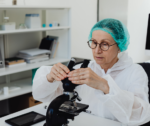
Microbiologist conducting lab tests to diagnose infections, providing clinical data not typically used for NDIS functional evidence.
Neonatologist
A neonatologist cares for premature and medically fragile newborn babies.
Early medical reports from neonatologists may support future NDIS access where long-term disability is identified.
Nephrologist
A nephrologist treats kidney disease and related conditions. Common conditions include chronic kidney disease and dialysis dependence.
They often provide strong NDIS evidence outlining long-term medical needs and functional limitations.
Neurologist
A neurologist treats conditions affecting the brain and nervous system. Common conditions include epilepsy, multiple sclerosis, cerebral palsy and acquired brain injury.
Neurologists are key providers of diagnostic and functional evidence for NDIS access and plan reviews.
Neurosurgeon
A neurosurgeon performs surgery on the brain and spinal cord.
Surgical reports may support NDIS evidence where neurological injury results in permanent impairment.
Nuclear medicine physician
This doctor uses specialised scans to diagnose disease. Nuclear medicine physicians commonly use scans such as bone scans, PET scans, SPECT scans, heart, kidney, thyroid and lung scans to diagnose and monitor how organs and tissues are functioning.
They support diagnosis only and do not provide functional NDIS evidence.
Obstetrician and gynaecologist
This doctor provides care for pregnancy and childbirth, and treats conditions affecting the female reproductive system, including menstrual problems, pelvic pain, endometriosis and other gynaecological conditions.
They are rarely involved in NDIS evidence unless complications result in long-term disability.
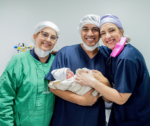
Obstetric doctor and midwives holding a newborn baby, providing pregnancy and childbirth care, with NDIS involvement only when complications result in long-term disability.
Ophthalmologist
An ophthalmologist treats diseases and conditions of the eyes and vision. They diagnose and manage vision impairment, including low vision and blindness, and treat conditions such as cataracts, glaucoma, macular degeneration and eye injuries, sometimes using surgery or specialised treatments.
They commonly provide NDIS evidence outlining the severity and functional impact of vision loss.
Oral and maxillofacial surgeon
This surgeon treats conditions affecting the jaw, face and mouth, including facial injuries, jaw disorders, congenital conditions and problems with chewing, speaking or facial movement, and may perform surgery to restore function and appearance.
Surgical reports may support NDIS evidence where functional impairment affects eating, communication or facial movement.
Orthopaedic surgeon
An orthopaedic surgeon treats conditions affecting bones, joints and muscles, often using surgery as well as other treatments. Common conditions include mobility impairment, musculoskeletal disability, fractures, arthritis and spinal problems, and their care may support improved movement, stability and independence.
They may provide reports supporting physical impairment and mobility limitations for NDIS participants.
Paediatric emergency physician
A paediatric emergency physician provides urgent medical care for babies, children and teenagers who are seriously ill or injured, and is trained to recognise and manage childhood conditions and emergencies in a child-friendly and age-appropriate way.
Emergency records may support early identification of disability but are not usually used alone for NDIS evidence.
Paediatric surgeon
A paediatric surgeon performs operations on babies and children to treat conditions present at birth, illness, injury or abnormalities, using surgical approaches designed specifically for growing bodies and children’s needs.
Surgical history may support evidence of permanent disability where long-term impairment is expected.
Paediatrician
A paediatrician provides ongoing medical care for children and adolescents, supporting their health, growth and development. They commonly treat developmental delay, chronic illness and disability, and help coordinate care with other health and support services.
Paediatricians commonly provide diagnostic letters, developmental history and functional impact evidence for NDIS access.

Paediatrician consulting with a child in a wheelchair, assessing development and providing diagnostic and functional evidence for NDIS support.
Pain medicine physician
A pain medicine physician treats chronic and complex pain that lasts over time and affects daily life. Common conditions include neuropathic pain, persistent pain after injury or surgery, and pain-related disability, and they support pain management using medical, physical and psychological approaches.
They often provide evidence explaining how pain limits daily activities and independence.
Pathologist
A pathologist diagnoses disease by examining blood, tissue and other samples.
They provide diagnostic support only and not functional NDIS evidence.
Plastic surgeon
A plastic surgeon performs reconstructive and corrective surgery to repair or restore parts of the body after injury, illness, surgery or congenital conditions, with the aim of improving function, appearance and quality of life.
Surgical reports may support NDIS evidence where physical impairment affects function.
Psychiatrist
A psychiatrist diagnoses and treats mental illness and can prescribe medication. They work with people experiencing conditions such as psychosocial disability, schizophrenia, bipolar disorder and severe depression, and assess how these conditions affect thinking, behaviour, emotions and daily functioning.
Psychiatrists often play a key role in supporting people with psychosocial disability by providing reports that explain diagnosis, long-term impact, treatment history and how mental illness affects a person’s ability to live independently and participate in everyday life.
Psychiatrists are key providers of NDIS evidence for psychosocial disability.

Psychiatrist speaks with a patient and takes notes about the functional impact of the patient’s psychosocial disability to support NDIS evidence.
Public health physician
A public health physician focuses on the health of whole communities rather than individual patients. They work on disease prevention, health promotion and health policy, using data and research to improve health systems, reduce health inequalities and respond to public health issues.
They do not provide individual NDIS participant evidence.
Radiation oncologist
A radiation oncologist treats cancer using targeted radiation therapy to destroy cancer cells or slow tumour growth. They plan and manage treatment to reduce symptoms, control disease and limit side effects, and may support people who experience long-term effects from cancer or its treatment.
They may support NDIS evidence where treatment causes long-term functional impairment.
Radiologist
A radiologist interprets medical imaging such as x-rays, CT scans and MRIs to help diagnose illness or injury. They identify changes in the body that may explain symptoms, guide treatment decisions and support other doctors by providing detailed imaging reports.
They provide diagnostic information but not functional NDIS evidence.
Rehabilitation physician
A rehabilitation physician helps people regain function, mobility and independence after illness, injury or surgery. They work with people who have conditions such as acquired brain injury, spinal injury, stroke or complex disability, focusing on how these conditions affect everyday activities and participation.
Rehabilitation physicians frequently provide detailed functional assessments and reports for NDIS access and plan reviews, explaining long-term impacts, support needs and goals for independence.
Reproductive endocrinologist
A reproductive endocrinologist treats fertility and reproductive hormone conditions, helping people with issues such as infertility, hormonal imbalance and reproductive disorders through medical assessment, hormone treatment and assisted reproductive care.
They are rarely involved in NDIS evidence.
Respiratory and sleep medicine physician
This doctor treats breathing and sleep conditions such as severe asthma, chronic lung disease and sleep apnoea. They assess how these conditions affect breathing, sleep quality, energy levels and stamina.
They may provide NDIS evidence when ongoing respiratory issues significantly limit a person’s ability to manage daily activities and participate in everyday life.
Rheumatologist
A rheumatologist treats autoimmune and inflammatory conditions such as arthritis and lupus. These conditions can cause ongoing pain, fatigue, joint stiffness and reduced mobility, and rheumatologists help manage symptoms, slow disease progression and assess how these conditions affect daily functioning and independence.
They commonly provide long-term evidence of pain, fatigue and functional impairment for NDIS participants.
Rural generalist
A rural generalist provides a wide range of medical care in rural and regional areas, often combining general practice with emergency, hospital and community care. They support people across many health needs, particularly where access to specialist services is limited.
They often support NDIS evidence where access to specialists is limited.

Royal Flying Doctor Service base supporting rural generalists to provide aeromedical, telehealth and outreach care, improving healthcare access and NDIS evidence in remote communities.
Sport and exercise physician
A sport and exercise physician treats injuries and conditions related to physical activity and movement, such as muscle strains, joint injuries and overuse conditions. Their work focuses on recovery, performance and safe return to activity.
They usually have limited involvement in providing evidence for NDIS access or planning.
Surgeon
A surgeon performs operations to treat injury, disease or structural problems in the body. Surgeons can be generalists or specialise in specific areas, such as bones, the brain, the heart or internal organs, and their work may support recovery, restore function or prevent further complications.
Surgical reports may support NDIS evidence of permanent impairment.
Urogynaecologist
A urogynaecologist treats conditions affecting the pelvic floor, bladder and bowel, such as incontinence, pelvic organ prolapse and bladder dysfunction. These conditions can effect daily activities and quality of life, and treatment may include therapy, medication or surgery.
They may support NDIS evidence by providing medical reports that explain how ongoing continence issues affect daily functioning, independence, personal care needs and participation in everyday activities, particularly where these impacts are long-term or significant.
Urologist
A urologist treats conditions affecting the urinary system, including the kidneys, bladder and urinary tract, and in some cases the male reproductive system. They manage issues such as urinary retention, incontinence, infections and structural problems, which can significantly affect daily comfort, independence and quality of life.
They may provide NDIS evidence by outlining how continence or urinary conditions cause ongoing difficulty with toileting, hygiene, mobility, safety or participation in daily activities, particularly when these impacts are long-term and require regular support.
Vascular surgeon
A vascular surgeon treats diseases of blood vessels, including arteries and veins, which can affect circulation to the legs, arms and organs. Conditions such as peripheral vascular disease can cause pain, reduced mobility and slow healing.
Surgical reports may support NDIS evidence where circulation problems significantly limit mobility, independence or daily functioning.
More Help with Doctors, Health Professionals and the NDIS
We hope this guide has helped you better understand doctors and the NDIS, including the different types of doctors workers, what they do, and how their reports can support NDIS access, plan reviews and planning decisions.
For more information about treating health professionals who can provide best practice evidence of disability, you can visit the official NDIS website.
Health professionals and NDIS evidence
You can also explore more of Lifely’s learning topics, blogs and FAQs for plain-English information, practical tips and local support to help you feel more confident navigating allied health, disability supports and everyday life.